
Debunking 3 Common Myths About Modern Car Accident Law
Car accidents often bring confusion about rights, responsibilities, and the legal process that follows. Much of what people believe about fault, compensation, and lawsuits is shaped by outdated assumptions rather than how claims actually work today. These misunderstandings can lead injured individuals to delay action, accept low settlements, or avoid seeking help altogether.
In practice, car accident law is designed to assess real-world conditions, not rigid or simplified narratives about who is "right" or "wrong." Instead, it considers evidence, conduct, and proportional responsibility in ways that often surprise those unfamiliar with current legal frameworks. For example, many states now recognize shared fault structures that adjust compensation based on each party's contribution to the crash, rather than assigning blame to only one driver.
Understanding these realities is essential for navigating a claim after a collision. Misconceptions can lead to costly mistakes, especially when dealing with insurers or evaluating whether legal action is necessary. This article breaks down three of the most common myths surrounding modern claims and explains what injured individuals should actually expect when dealing with auto accident law today.
Myth 1: A Single Driver Is Always Fully at Fault
Fault Is Often Shared in Modern Claims
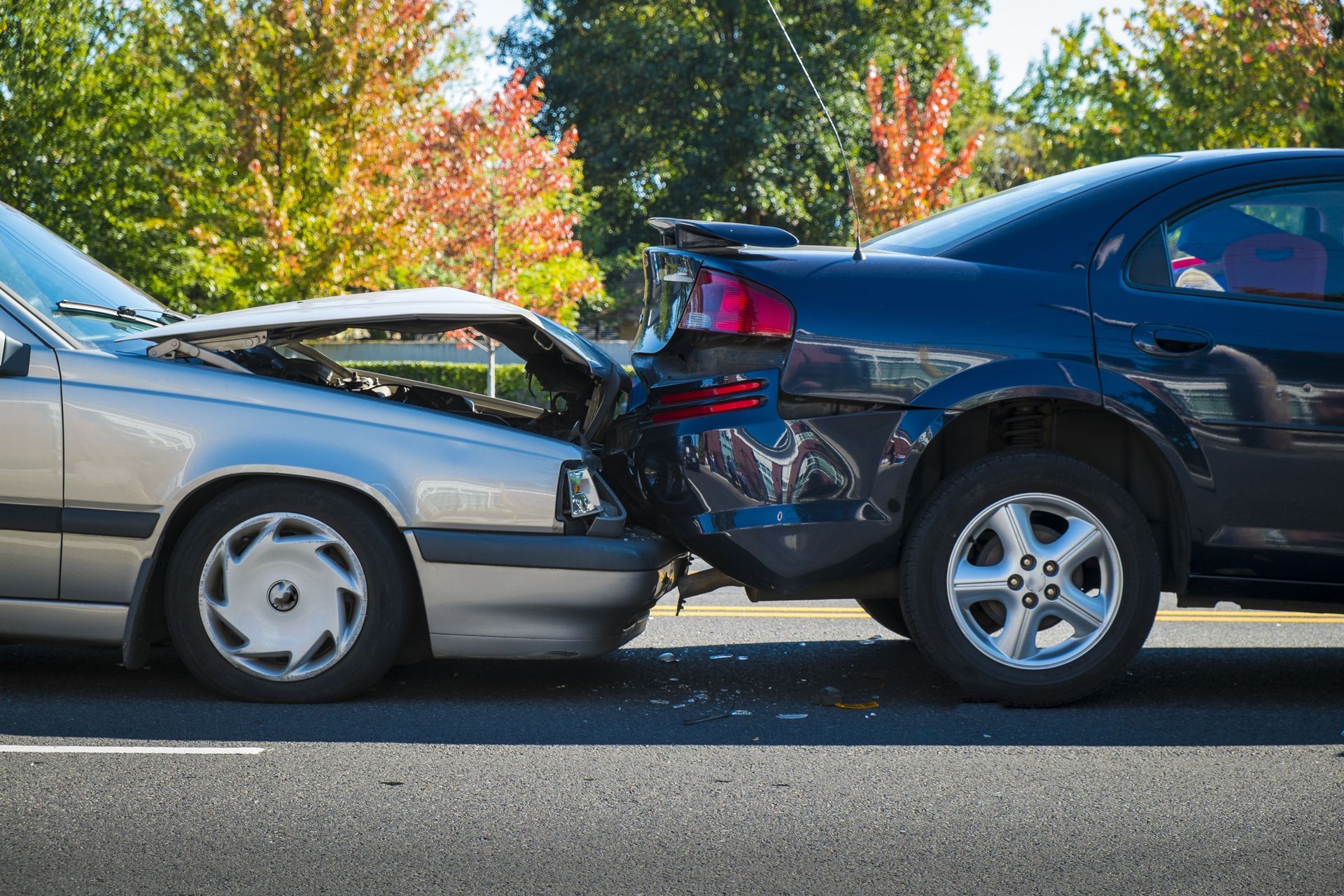
A common misconception is that every crash has a single clearly responsible driver. In reality, many collisions involve shared responsibility, and legal systems frequently account for that complexity. Rather than assigning total blame to one party, modern frameworks examine how each driver's actions contributed to the incident.
This is where car accident law becomes particularly nuanced. Investigators, insurers, and attorneys often analyze evidence such as traffic patterns, witness statements, and roadway conditions to determine proportional responsibility rather than a binary outcome.
Comparative Fault Changes Compensation Outcomes
One of the most misunderstood aspects of modern claims is how shared responsibility affects compensation. According to LegalZoom, several states apply comparative negligence rules, meaning an injured party may still recover damages even if they are partially responsible for the crash. In practical terms, if someone is found 15% at fault, they may still recover up to 85% of their total damages.
This approach reflects a more balanced interpretation of responsibility. Instead of eliminating recovery entirely due to partial fault, the system adjusts compensation in proportion to each party's contribution. Within auto accident law, this framework is critical because it ensures that injured individuals are not automatically disqualified from seeking recovery simply because they made a minor error.
Why Evidence Matters More Than Assumptions
Determining fault is rarely immediate or obvious. Insurance companies and legal representatives rely heavily on evidence such as police reports, skid marks, dash camera footage, and accident reconstruction analysis. Without this documentation, assumptions can easily distort the outcome of a claim.
Medical records also play a major role in demonstrating how injuries relate to the collision itself. Delays in treatment or inconsistent documentation can create challenges during negotiations, even when injuries are legitimate and severe. For those pursuing compensation, understanding how car accident law evaluates evidence is essential. The strength of a case often depends less on initial impressions and more on the quality and consistency of supporting facts.
Myth 2: Insurance Companies Always Offer Fair Compensation
Initial Offers Often Reflect Strategy, Not Full Value
Many people assume that insurance companies calculate fair compensation automatically. In reality, initial settlement offers are frequently conservative and designed to minimize payout exposure. These offers may not fully account for long-term medical care, lost income, or non-economic damages such as pain and suffering.
Auto accident law recognizes that damages extend beyond immediate expenses. However, insurers may not voluntarily include all eligible categories unless they are challenged with detailed evidence and legal pressure.
Delays and Disputes Are Common in Claims
Another misconception is that insurance claims move quickly and smoothly. While some minor claims resolve efficiently, others involve delays, additional documentation requests, or disputes over liability. These tactics can discourage claimants from pursuing full compensation.
In the context of car accident law, delays often serve as negotiation leverage. The longer a claimant waits without representation or clear documentation, the more likely they are to accept reduced compensation out of frustration or financial necessity. Insurance adjusters may also attempt to obtain recorded statements shortly after an accident, when victims are still overwhelmed or receiving medical care. Statements made too early can later be interpreted in ways that weaken portions of a claim.
Legal Guidance Can Influence Outcomes Significantly
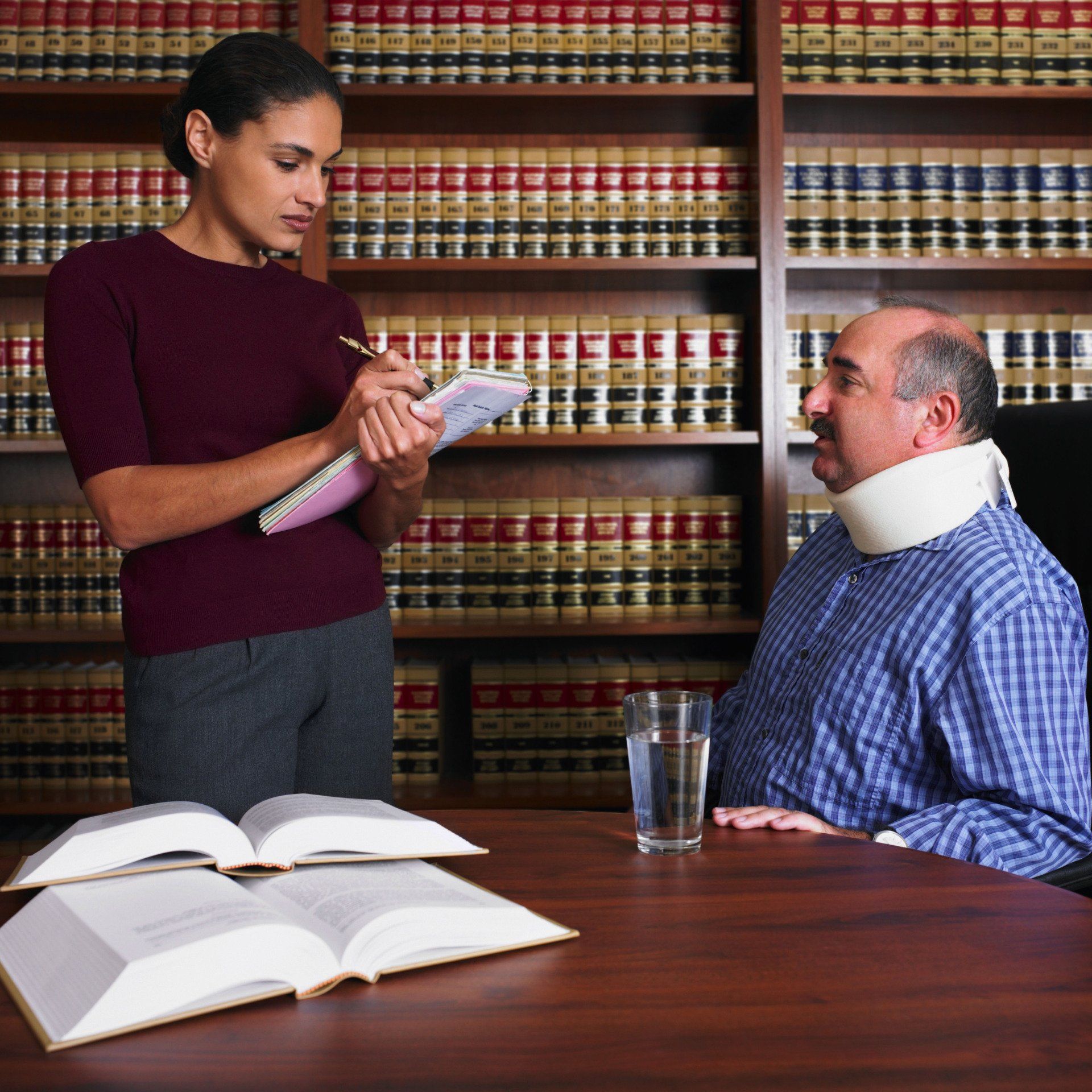
Although not every case requires litigation, legal involvement often changes how insurers evaluate claims. Attorneys can present structured evidence, challenge low valuations, and ensure that all damages are properly documented and included in settlement discussions.
Early legal guidance can help preserve rights and prevent undervaluation of claims. This is especially important in complex cases involving serious injuries or multiple parties, where car accident law becomes more difficult to navigate without professional support.
Myth 3: Lawsuits Are Always Lengthy and Unavoidable
Most Claims Resolve Without Trial
A widespread belief is that filing a claim automatically leads to a courtroom trial. In reality, the majority of personal injury claims are resolved through negotiated settlements before reaching litigation. Trials are typically reserved for disputes where liability or damages cannot be agreed upon.
Modern auto accident law encourages resolution outside of court when possible, as it reduces time, cost, and uncertainty for all parties involved. This approach also allows injured individuals to receive compensation more efficiently while avoiding the stress and unpredictability often associated with courtroom proceedings.
Different Accident Types Affect Case Complexity
Not all accidents are legally straightforward. Collisions involving motorcycles, commercial trucks, or ride-share vehicles often introduce additional layers of liability. For example, trucking cases may involve employer responsibility, federal regulations, and maintenance records, while ride-share incidents may involve overlapping insurance policies.
These cases illustrate how car accident law extends beyond simple two-party disputes and often requires investigation into multiple responsible entities. In some situations, roadway defects, vehicle malfunctions, or third-party contractors may also contribute to a collision. Identifying every potentially liable party can substantially affect the amount of compensation available to an injured person.
Legal Representation Helps Manage Complexity
While individuals can technically file claims on their own, complex cases often benefit from experienced legal representation. Attorneys can coordinate evidence collection, communicate with insurers, and ensure procedural requirements are met within strict deadlines.
Car accident law includes time-sensitive filing rules that can limit recovery rights if missed. Having structured legal support helps ensure that claims are filed correctly and that no procedural opportunities for compensation are lost due to administrative errors or delays. An attorney can also help calculate future damages, including ongoing rehabilitation costs or reduced earning potential. Without that analysis, settlement offers may fail to reflect the true long-term impact of serious injuries.
Misunderstanding how accident claims work can significantly affect the outcome of a case. Many people still assume that fault is absolute, that insurance companies automatically act in the claimant's best interest, or that legal action always leads to trial. In reality, modern systems are far more nuanced and rely on structured evaluation of evidence, responsibility, and damages.
Ultimately, modern car accident law is designed to reflect those complexities by allowing shared fault assessments, encouraging negotiated settlements, and providing pathways for recovery even in partially disputed situations. These mechanisms are intended to produce fairer outcomes based on real-world circumstances rather than simplified assumptions.
For individuals recovering from a crash, understanding these realities can make a meaningful difference in how they approach their claim, what they expect from insurers, and when they choose to seek legal support. Reach out to the Law Office of Victoria Vidre LLC if you're looking for reliable representation after a car accident.







Share On: